

Please don’t feel you need to rush out and buy a bunch of equipment as soon as you join the Troop. The Troop has tents it can loan out (have your Scout ask the Quartermaster) for each trip. We do encourage Scouts to get a few items to get started:
Recommended Gear
Sleeping bag
A bag rated to 30 degrees will suffice for the majority of our camping trips.
Sleeping pad
This pad serves as the layer between the sleeping bag and the tent floor. This helps keep Scouts warm at night and adds a bit of comfort.
Water Bottle
All Scouts should bring a water bottle to trips and events except for Troop meetings. A Nalgene bottle works well and is what most Scouts use.
Mess Kit
A simple mess kit will do. Ideally, something with sides that could double as a bowl and a spork are best, as they are multifunctional.
Headlamp
A flashlight would also work. However, we find that a headlamp is more functional, as Scouts can keep their hands free.
Pack
Scouts do not need a camping backpack to get started. An older school backpack for clothes will work in the beginning. As they become more active in Scouting, we suggest investing in a pack.
Printable Packing Lists
-
Cold weather camping is for any trip when the nighttime temperature falls below 40 degrees Fahrenheit.
-
Click HERE for the warm weather packing list.
Cool weather camping, when nighttime temps fall between 40-50°F still require warm layers and a sleeping bag rated to 30-40°F.
Warm weather camping, when nighttime temps are above 50°F+ require fewer insulating layers, a sleeping bag rated to 40-450°F, and more attention should be paid to sun protection, hydration, and bugs.
-
For a backpacking trip, Scouts should shift from packing for comfort to packing for weight, space, and necessity—every item must be carried on their back, often for miles.
Start with either the cold weather or warm weather packing lists. Then modify them so that clothing and gear are lightweight, quick-drying, and limited to only what is truly needed. Bulky comfort items, unnecessary extra clothing, large toiletries, heavy camp chairs, full-size pillows, oversized lanterns, and duplicate “just in case” items should be left at home. The goal is to pack smart, stay light, and carry only gear that serves a clear purpose on the trail.
Prioritize lightweight essentials such as:
a backpacking stove
compact cook kit
water filtration/purification system
trekking poles
backpack rain cover
calorie-dense trail food
-
Start with either the cold weather or warm weather packing lists. Then modify them so clothing and gear are quick-drying, water-friendly, and protected from getting wet.
Pack all gear in dry bags, waterproof bins, or heavy-duty trash bags, and secure loose items inside the canoe. Avoid cotton clothing, non-waterproof bags, loose electronics, and anything that could be damaged if submerged.
Bulky comfort items, unnecessary extra clothing, oversized coolers, glass containers, and valuables that do not need to be on the trip should be left at home. The goal is to pack smart, stay organized, and bring only gear that can handle the realities of life on the water.
Prioritize canoe-trip essentials such as:
a properly fitted PFD
dry bags/waterproof storage
water shoes or secure sandals
sun protection (hat, sunscreen, sunglasses)
waterproof rain gear
extra drinking water
gear tie-down straps/carabiners
a waterproof headlamp or flashlight
-
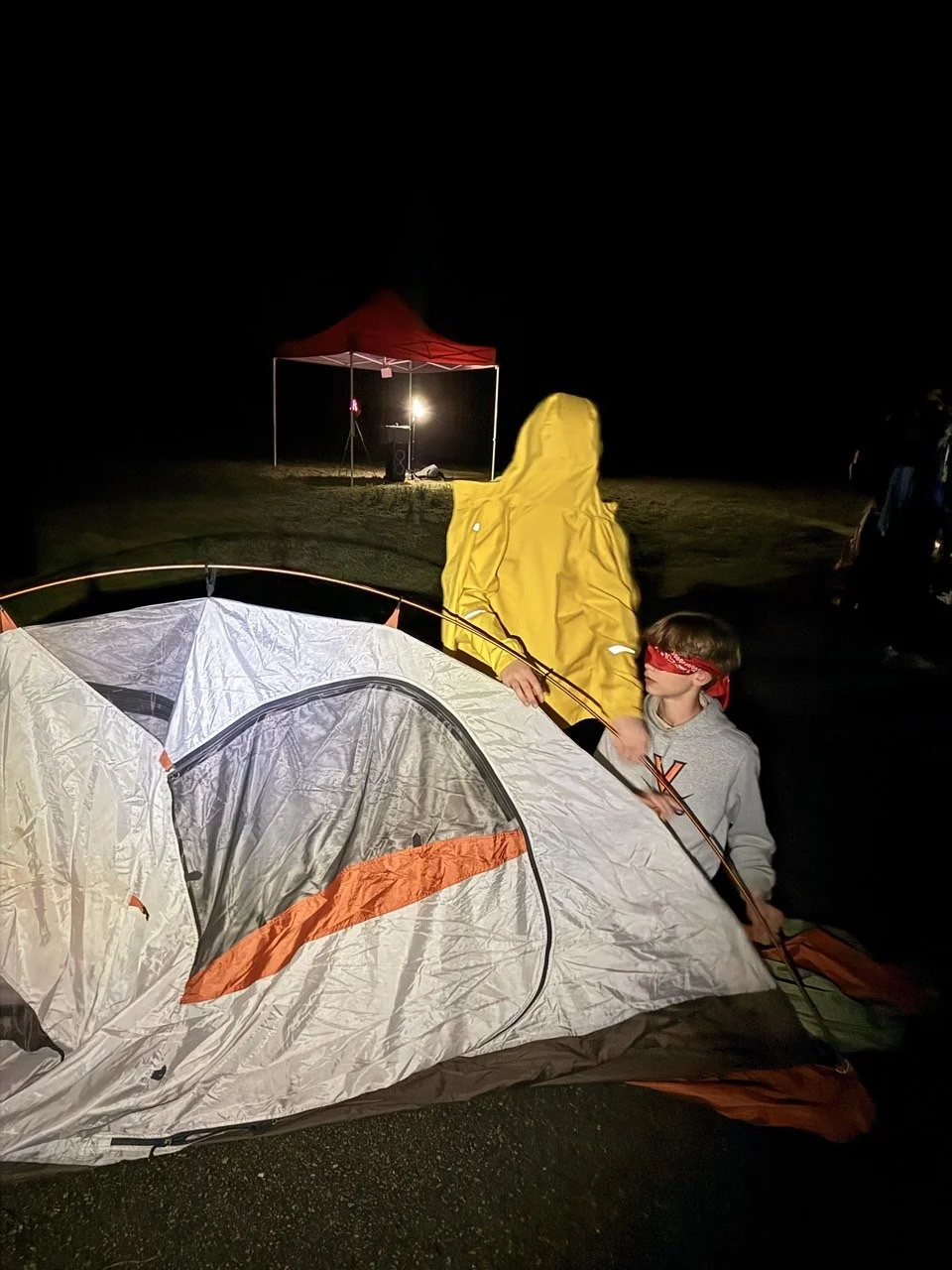
For current troop members, we have a small supply of Troop tents that Scouts can reserve before campouts. To reserve them, speak with the current Troop Quarter Master at a meeting a minimum of two weeks before the camping trip.
Last but not least, check out our Troop’s Facebook group for gear swaps and more!